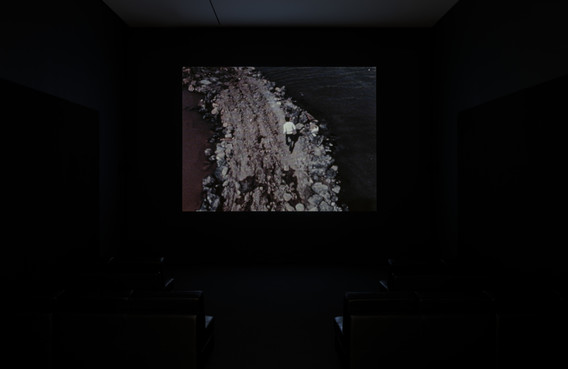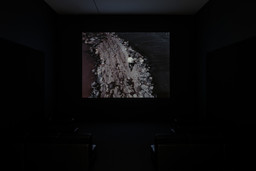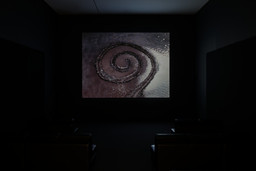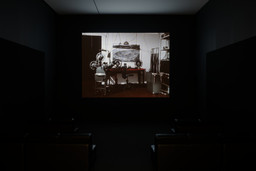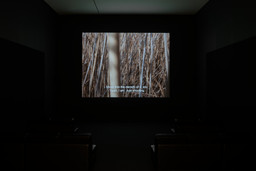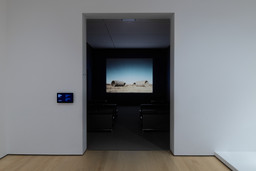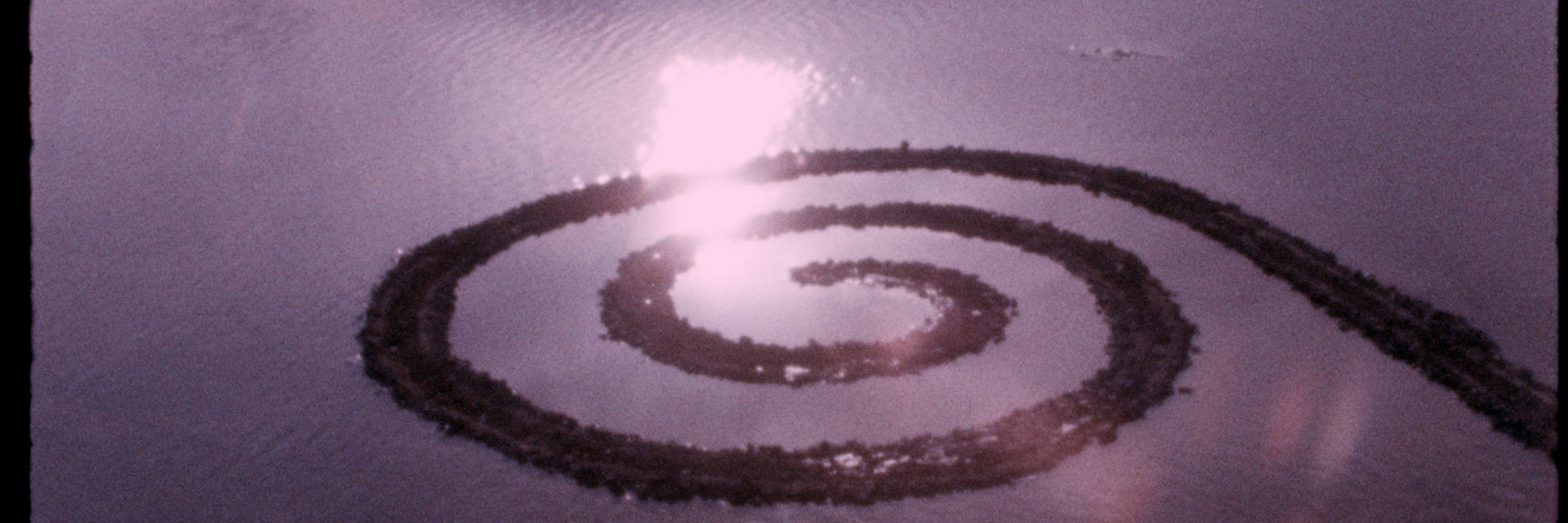
“It appears that abstraction and nature are merging in art, and the synthesizer is the camera,” Robert Smithson wrote in 1971. Smithson and Nancy Holt, partners in life and art, were among a generation of American artists whose earthworks, made by intervening into the landscape, expanded art’s place beyond the gallery. Celebrating a recent gift from the Holt/Smithson Foundation, this presentation of films from the 1970s conveys the artists’ embrace of the moving image as a natural extension of their engagement with place, perception, and the passage of time.
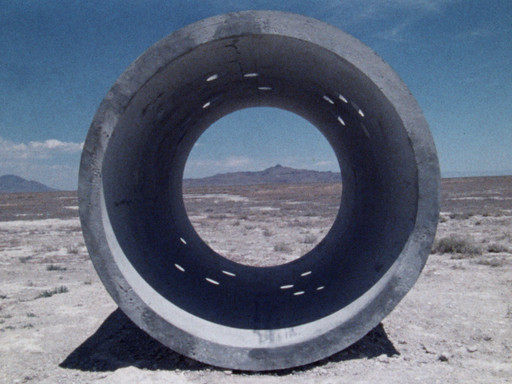
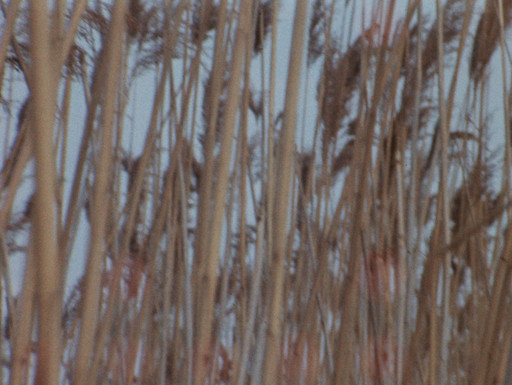
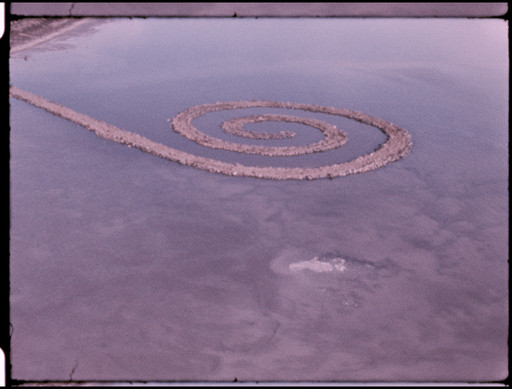
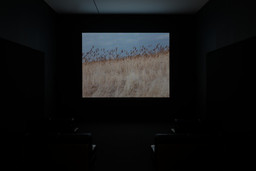
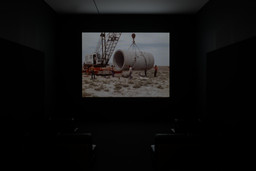
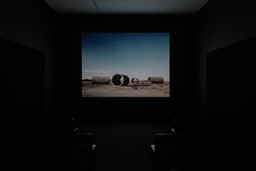
In filming their earthworks in the American West, the artists express their ways of looking at the world through the medium’s core properties. Spiral Jetty’s fragmentary editing encapsulates Smithson’s fascination with geological time, while Holt’s long takes in Sun Tunnels deepen her work’s resonance as a viewing device framing a desert landscape. In the collaborative film Swamp, a 16mm camera becomes a proxy for the encounter with a place. The pair’s call-and-response across New Jersey’s grassy wetlands resulted in what Holt called the “concretization of perception.”
Organized by Sophie Cavoulacos, Associate Curator, Department of Film, with Rachel Rosin, Curatorial Assistant, Department of Drawings and Prints and Department of Curatorial Affairs.