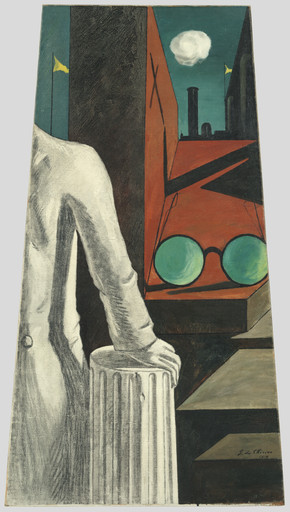
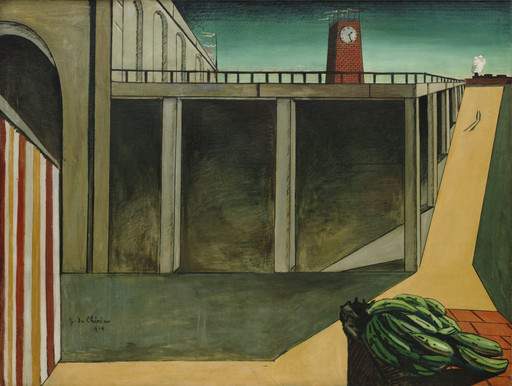
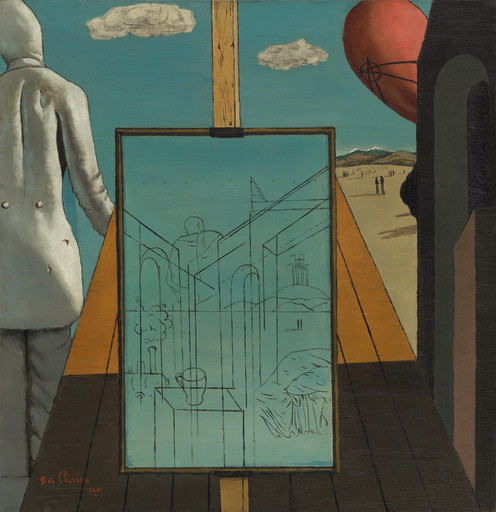
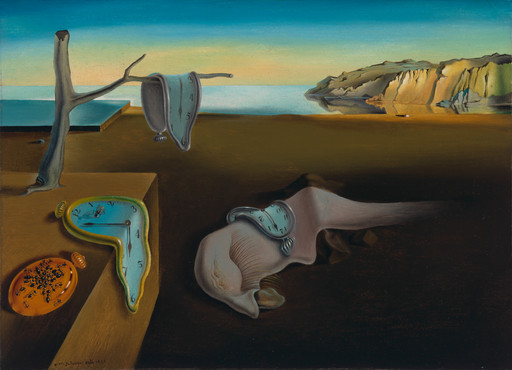
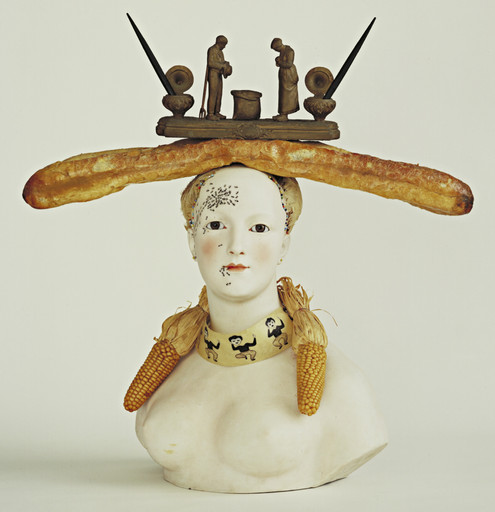
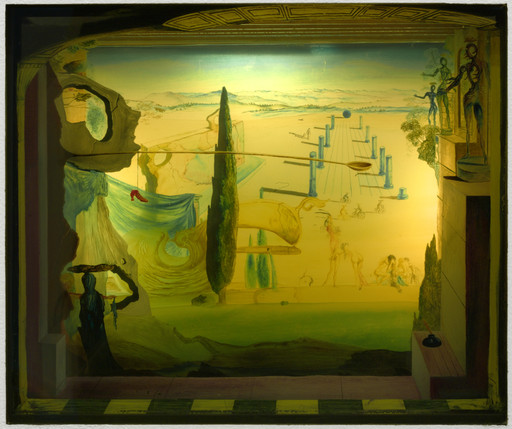
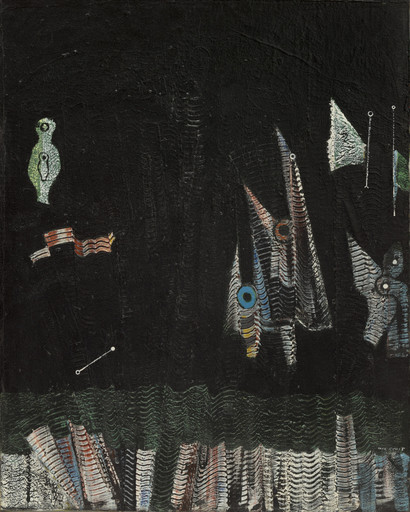
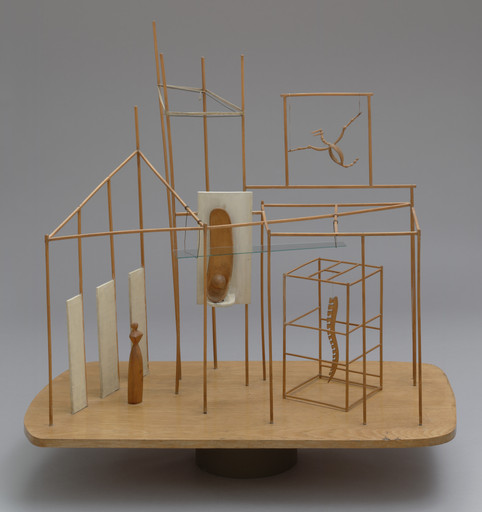
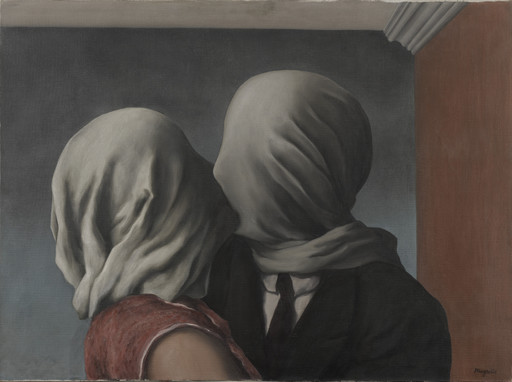
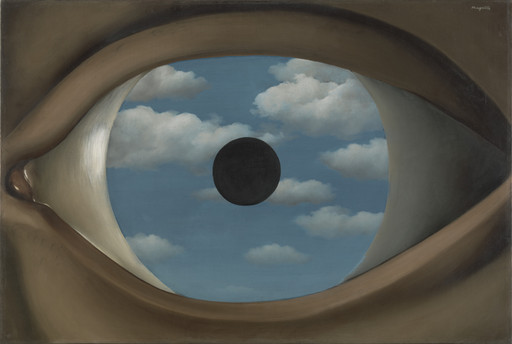
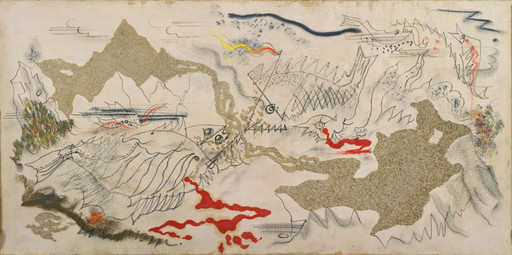
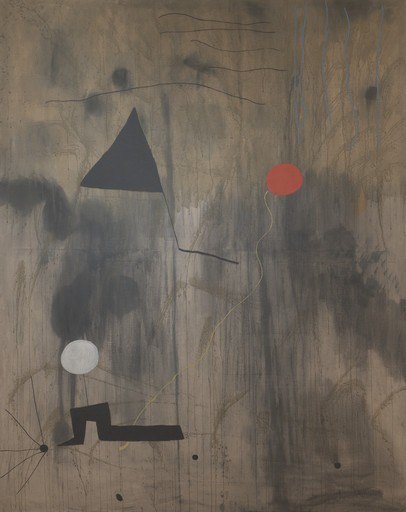
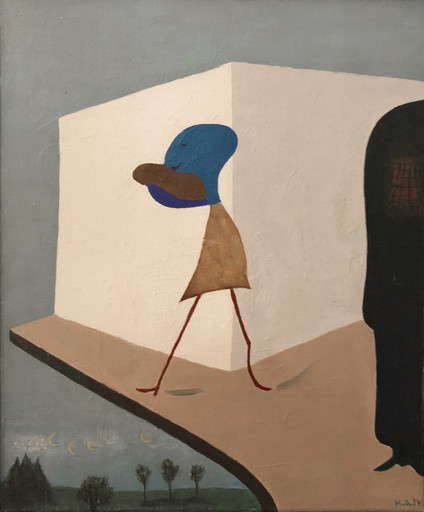
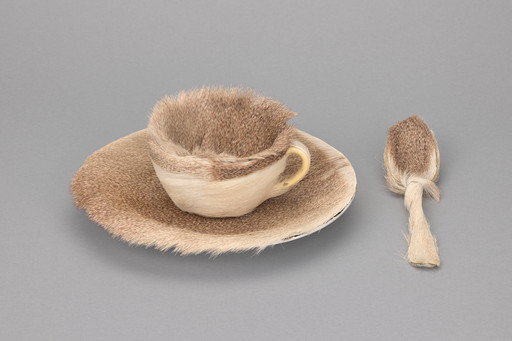
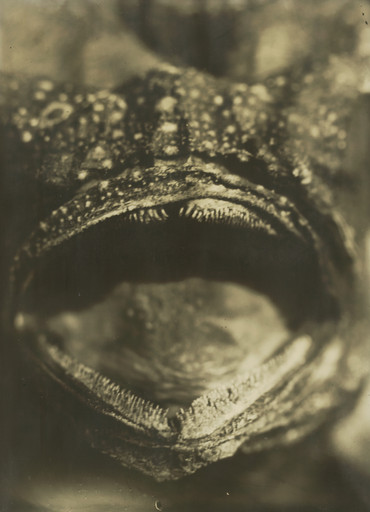
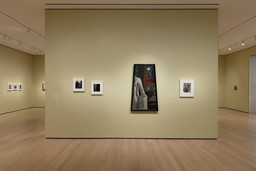
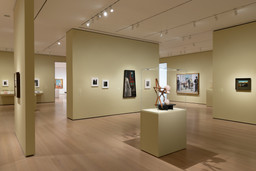
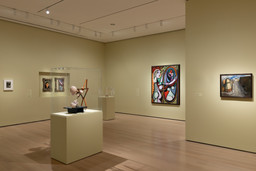
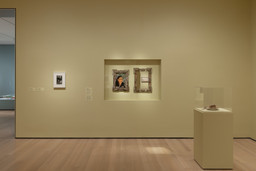
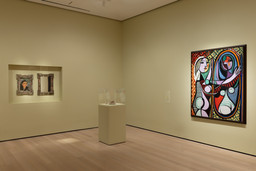
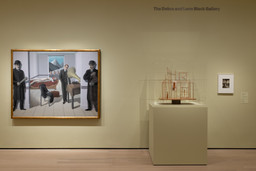
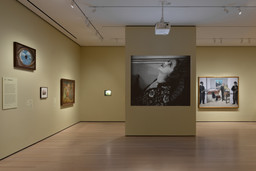
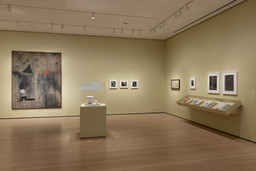
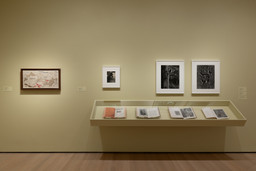
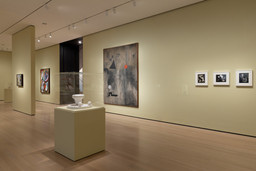
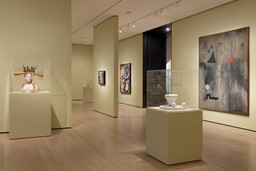
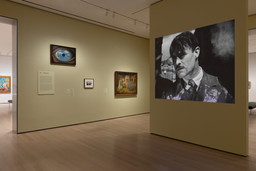
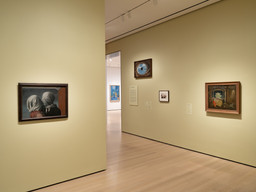
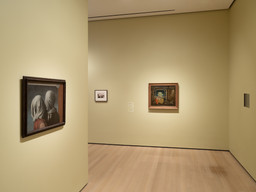
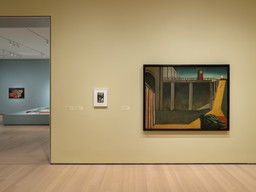
In 1924, André Breton published his Manifesto of Surrealism, which, guided by Sigmund Freud’s psychoanalytic theories, declared a radical break from the rationalism of modern society in favor of imagination, erotic desire, and unconscious thought. Breton’s manifesto marked the arrival of Surrealism, whose proponents sought to create images—whether visual or written—that pulsed with psychic intensity. To do this, artists embraced different strategies, including chance compositions, assemblage, and automatic writing, and worked in many mediums.
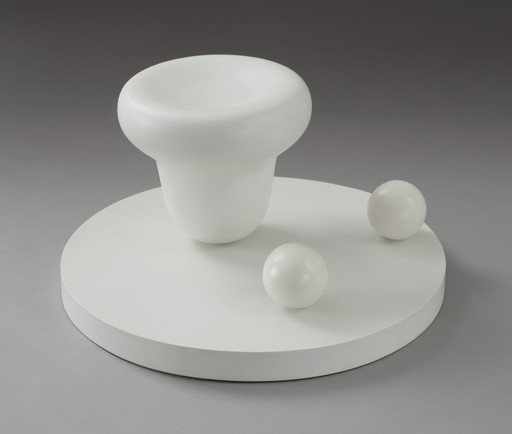
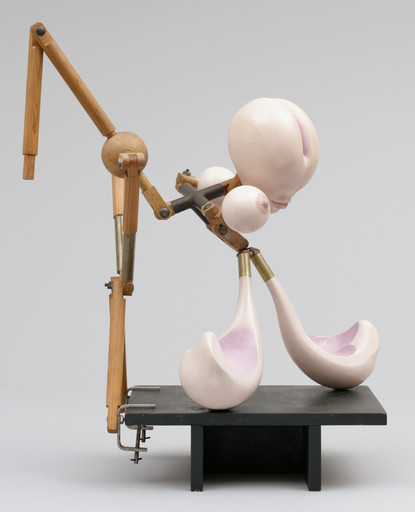
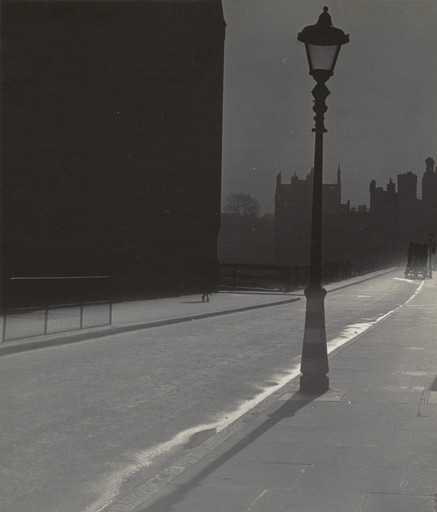
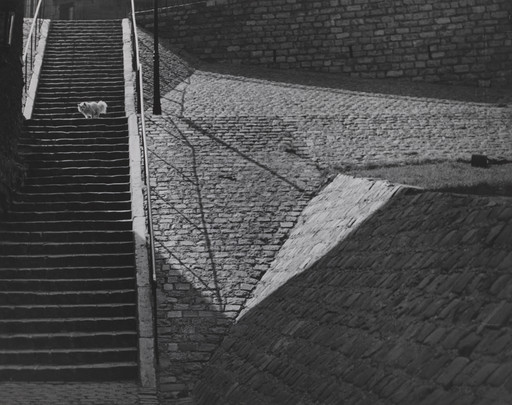
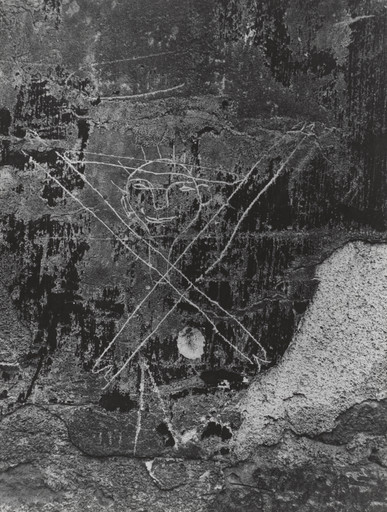
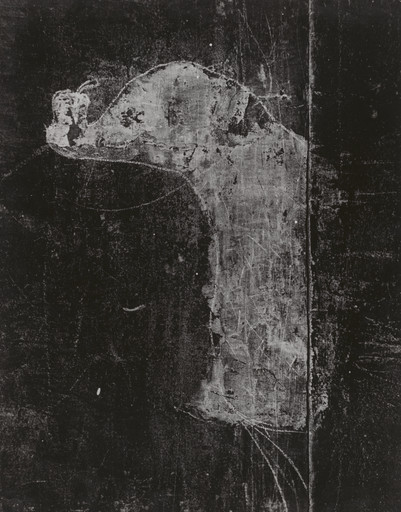
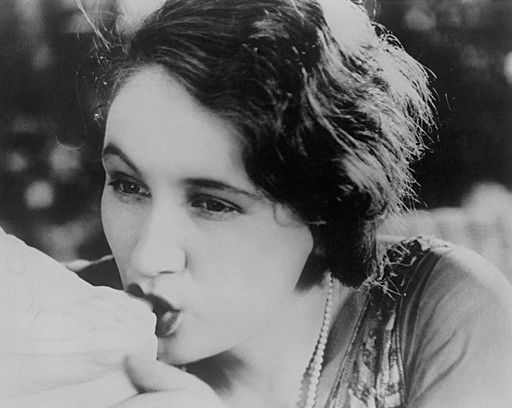
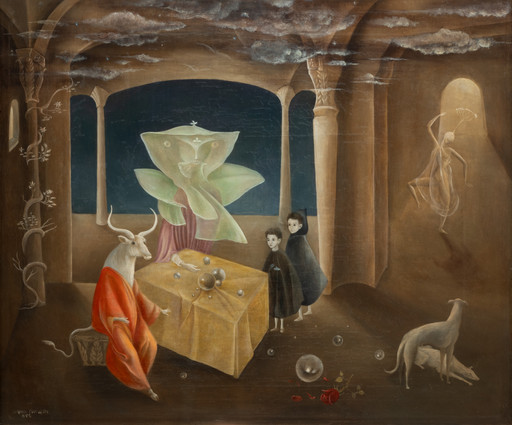
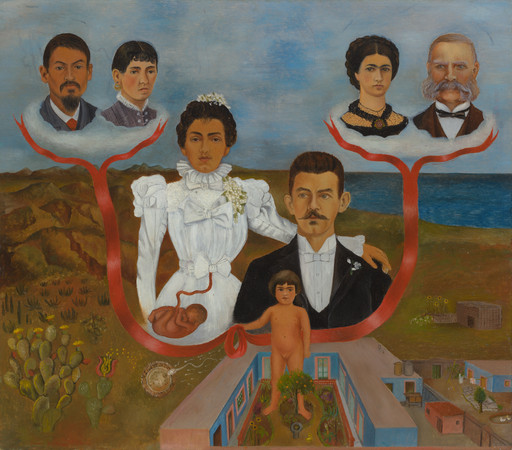
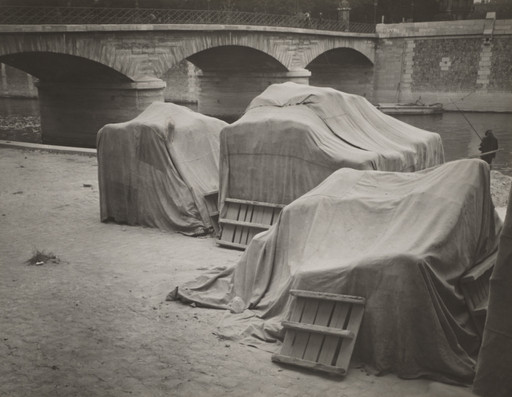
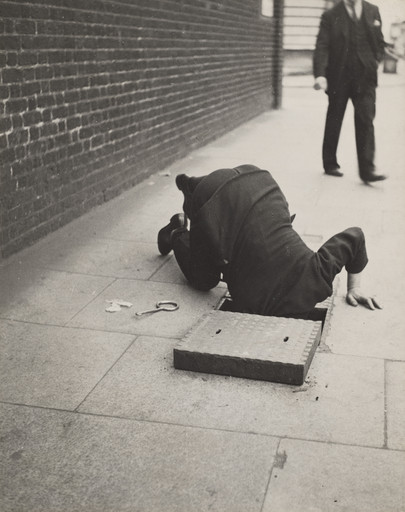
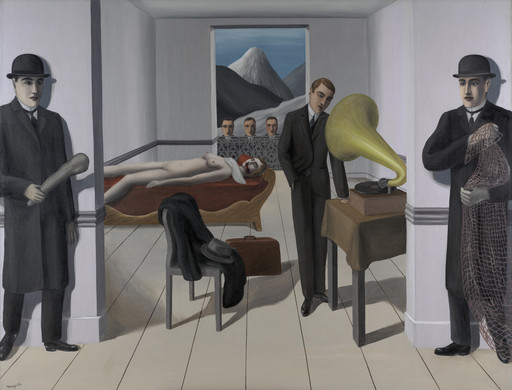
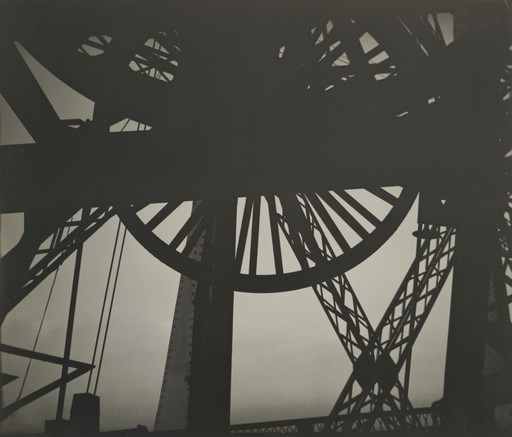
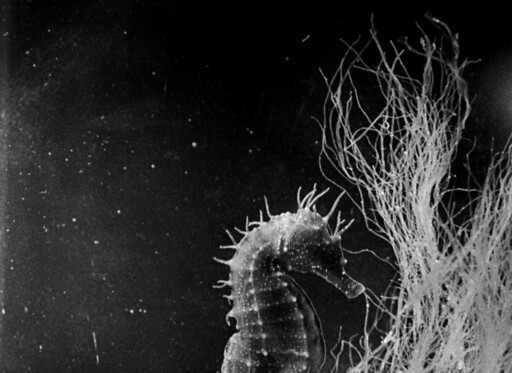
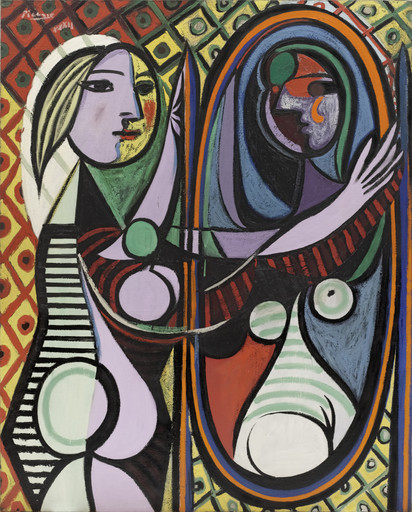
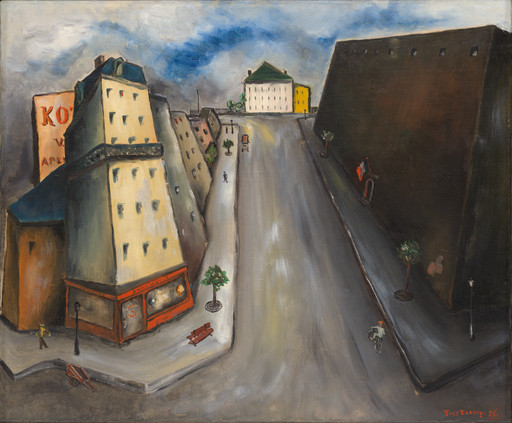
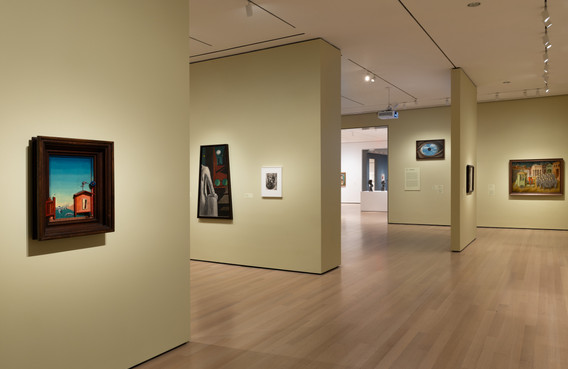
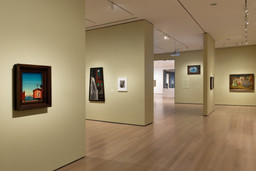
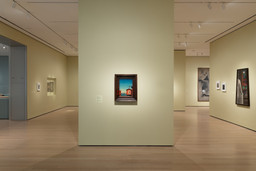
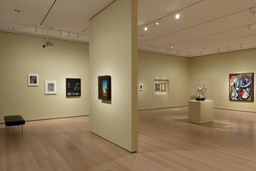
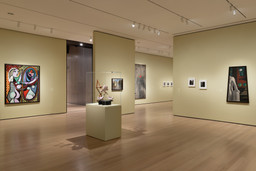
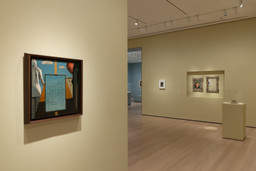
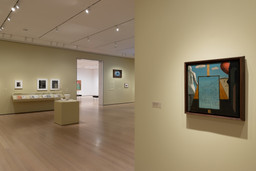
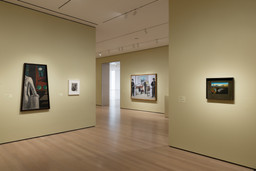
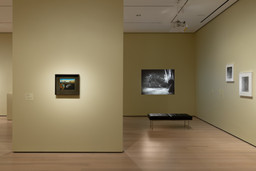
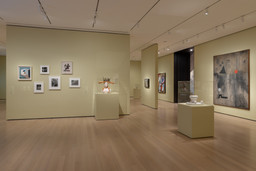
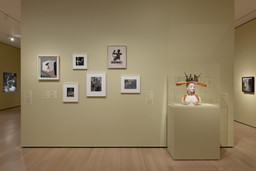
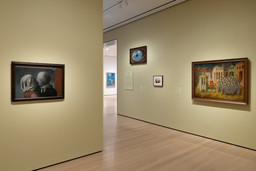
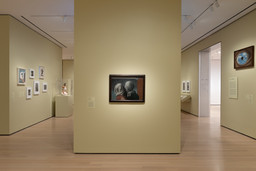
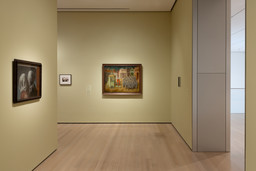
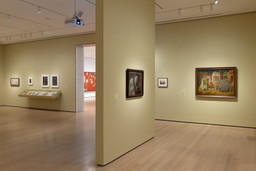
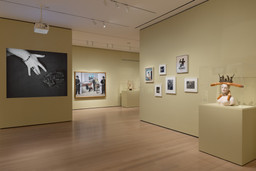
Photography and film, for example, were central to this pursuit for their capacity to reveal the haunting, humorous, and hallucinatory layers just beneath the surface of reality. In 1927, the artist Salvador Dalí called photography, “Glass of true poetry.” In Surrealist publications, seemingly straightforward images transformed everyday objects and scenes into strange, fantastic dreamscapes. Bringing together a range of photographs, paintings, sculptures, and films, this gallery illuminates the Surrealists’ revolutionary impulse to hold a mirror to the unconscious.
Organized by Caitlin Ryan, Assistant Curator, The Robert B. Menschel Department of Photography with Rachel Remick, Curatorial Assistant, Department of Painting & Sculpture and Curatorial Affairs