Collection 1880–1950

508

Brancusi and Abstraction

Ongoing

MoMA

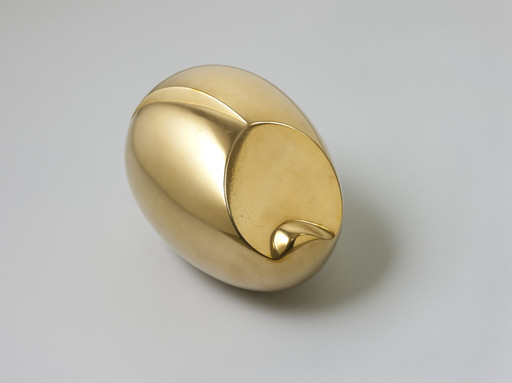
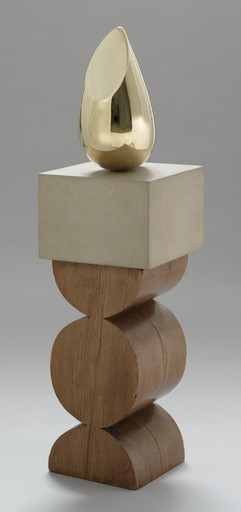
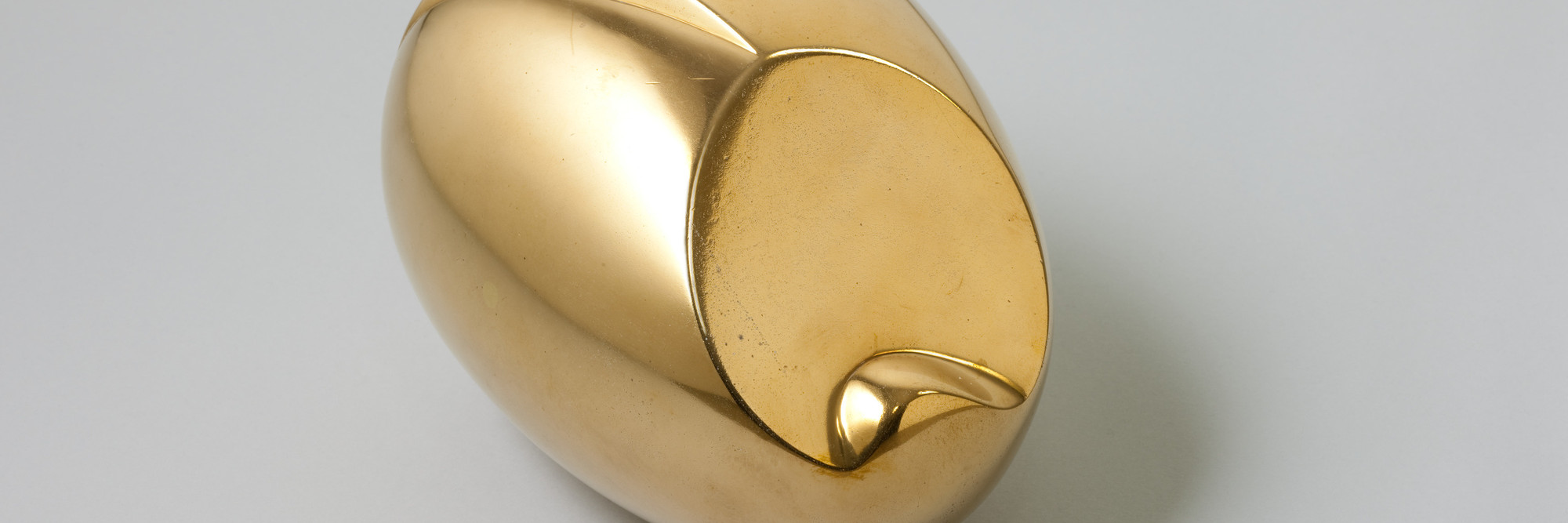
Constantin Brancusi. The Newborn. version I, 1920 (close to the marble of 1915). Bronze, 5 3/4 × 8 1/4 × 5 3/4" (14.6 × 21 × 14.6 cm). The Museum of Modern Art, New York. Acquired through the Lillie P. Bliss Bequest (by exchange). © Succession Brancusi - All rights reserved (ARS) 2018
  • MoMA, Floor 5, 508 The David Geffen Wing

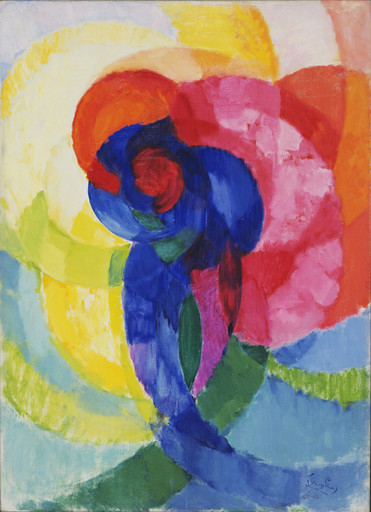
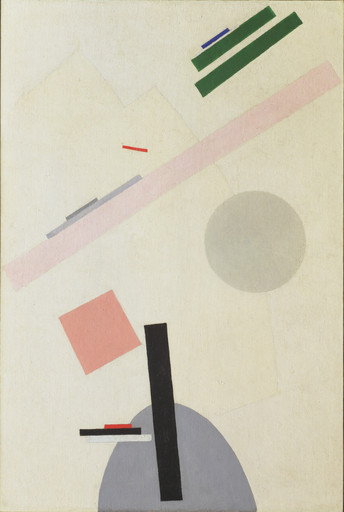
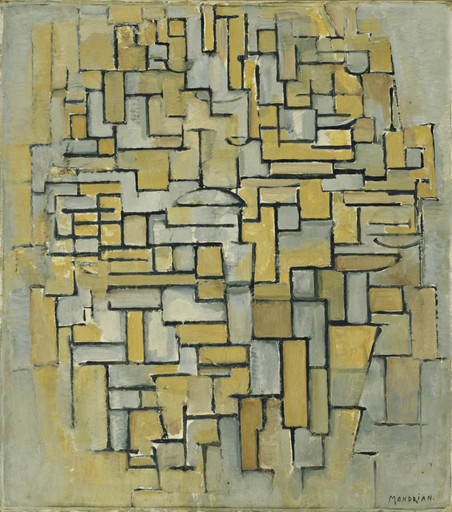
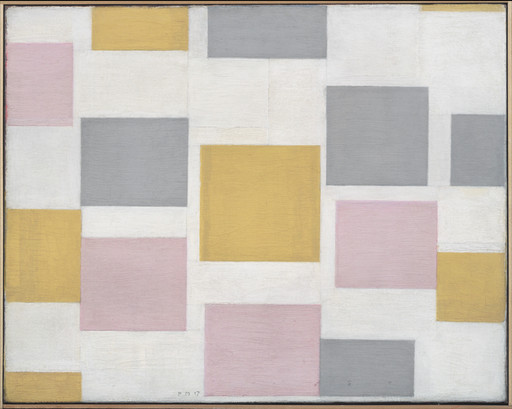
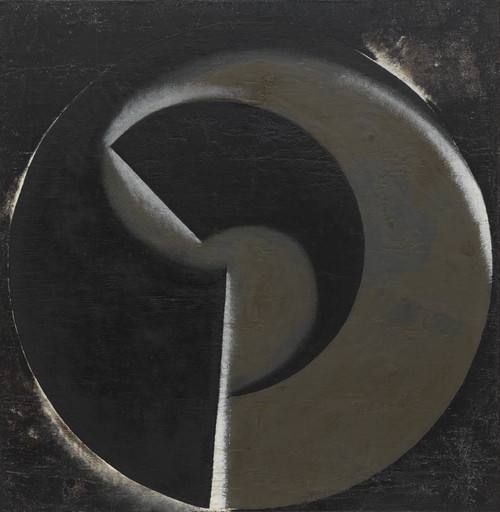
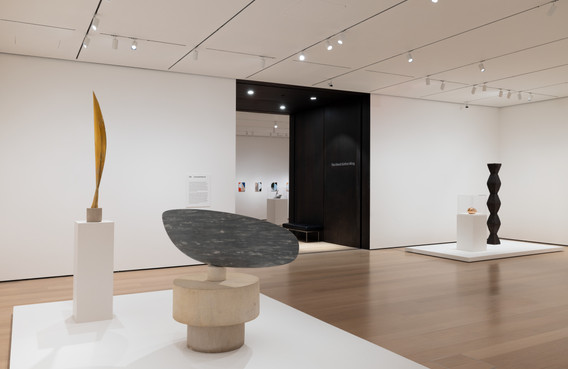
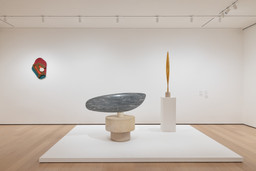
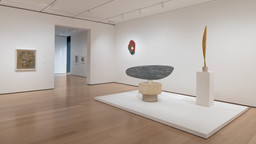
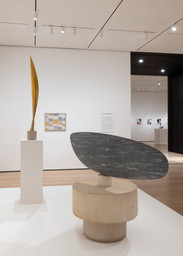
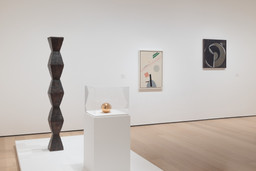
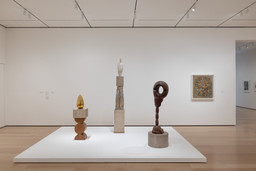
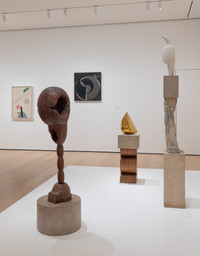
In the first decades of the twentieth century, artists throughout Europe developed a radical style of art that reimagined the painting in terms of line, plane, and color. This new abstract art broke with tradition as it set aside a need for recognizable subjects. By removing specificity or representation, some practitioners of abstraction sought to reflect an array of new ideas relating to science and spirituality.

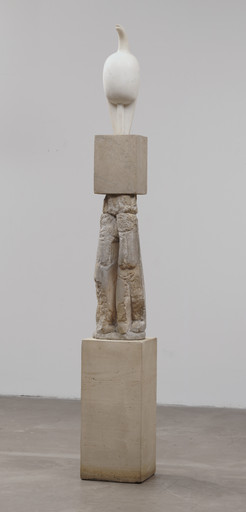
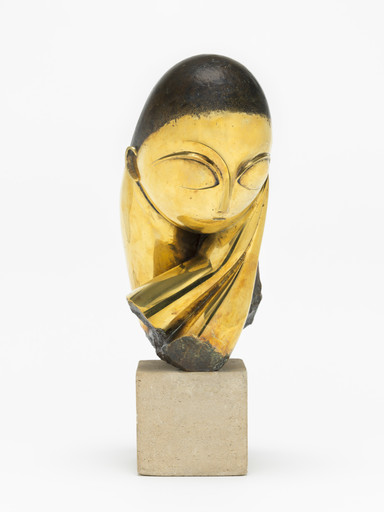
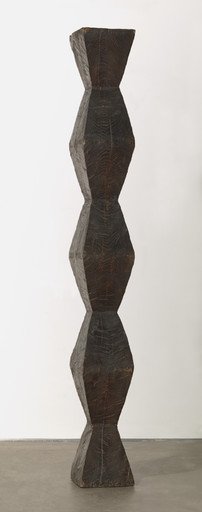
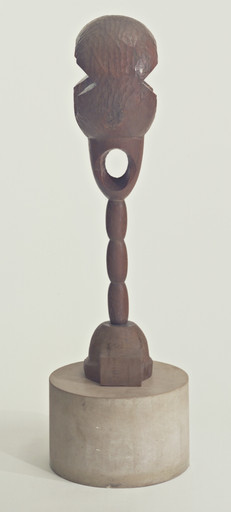
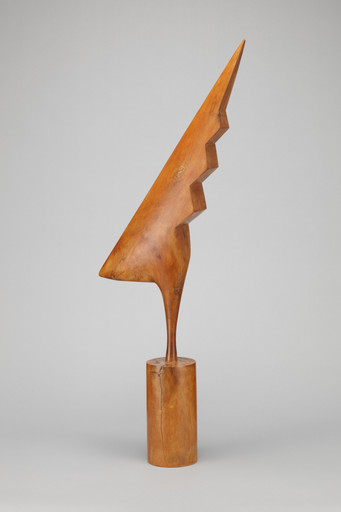
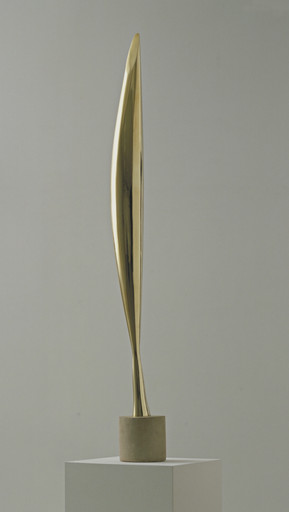
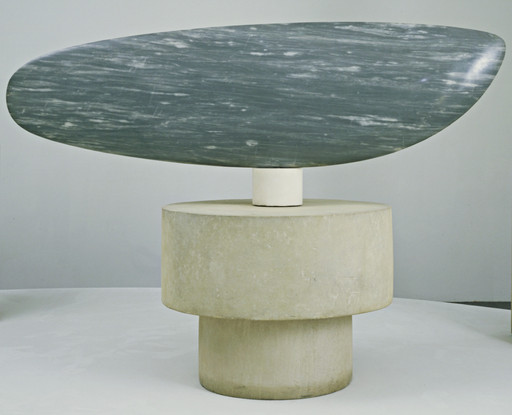
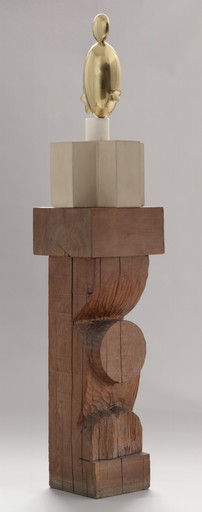
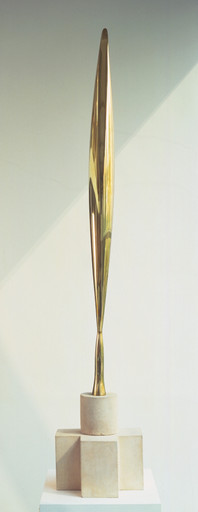
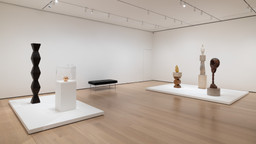
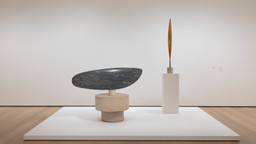
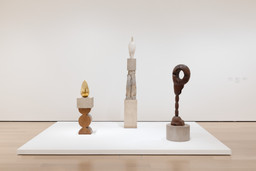
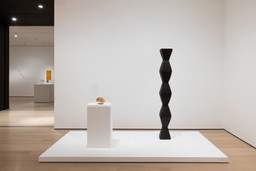
Among this burgeoning avant-garde, Constantin Brancusi created imaginative sculptures that evoke rather than resemble their subjects. Drawing on Romanian woodworking traditions he had learned in his youth, Brancusi directly carved his works from marble, limestone, and wood. He frequently made multiple versions, returning to the same subjects—birds, newborn babies, women’s heads—again and again. Over the course of a five-decade career, Brancusi increasingly pushed his sculptural forms toward abstraction.

Organized by Ann Temkin, The Marie-Josée and Henry Kravis Chief Curator of Painting and Sculpture with Rachel Remick, Curatorial Assistant.
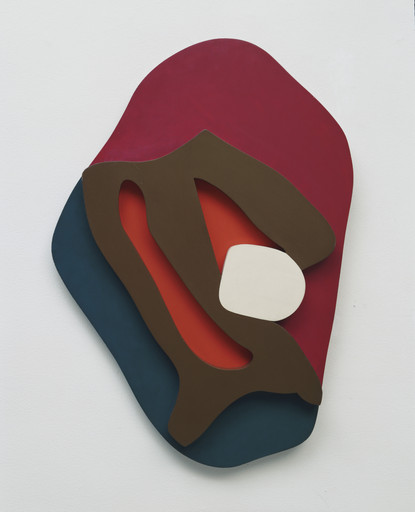
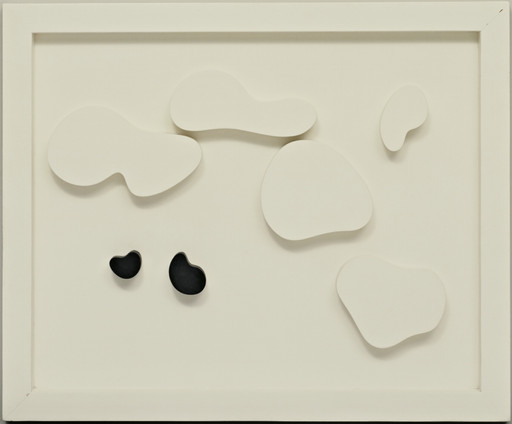
10 works online

Support for the collection is provided by the Annual Exhibition Fund, with leadership contributions generously provided by Sue and Edgar Wachenheim III, the Eyal and Marilyn Ofer Family Foundation, the Noel and Harriette Levine Endowment, Jerry Speyer and Katherine Farley, Alice and Tom Tisch, the Marella and Giovanni Agnelli Fund for Exhibitions, Eva and Glenn Dubin, Mimi Haas, the William Randolph Hearst Endowment Fund for Photography, The David Rockefeller Council, the Kate W. Cassidy Foundation, The Contemporary Arts Council of The Museum of Modern Art, Anne and Joel Ehrenkranz, Kenneth C. Griffin, The International Council of The Museum of Modern Art, Marie-Josée and Henry R. Kravis, and Ronald S. and Jo Carole Lauder.

Artists

Installation images

How we identified these works

In 2018–19, MoMA collaborated with Google Arts & Culture Lab on a project using machine learning to identify artworks in installation photos. That project has concluded, and works are now being identified by MoMA staff.

If you notice an error, please contact us at [email protected].

Licensing

If you would like to reproduce an image of a work of art in MoMA’s collection, or an image of a MoMA publication or archival material (including installation views, checklists, and press releases), please contact Art Resource (publication in North America) or Scala Archives (publication in all other geographic locations).

MoMA licenses archival audio and select out of copyright film clips from our film collection. At this time, MoMA produced video cannot be licensed by MoMA/Scala. All requests to license archival audio or out of copyright film clips should be addressed to Scala Archives at [email protected]. Motion picture film stills cannot be licensed by MoMA/Scala. For access to motion picture film stills for research purposes, please contact the Film Study Center at [email protected]. For more information about film loans and our Circulating Film and Video Library, please visit https://www.moma.org/research/circulating-film.

If you would like to reproduce text from a MoMA publication, please email [email protected]. If you would like to publish text from MoMA’s archival materials, please fill out this permission form and send to [email protected].

Feedback

This record is a work in progress. If you have additional information or spotted an error, please send feedback to [email protected].