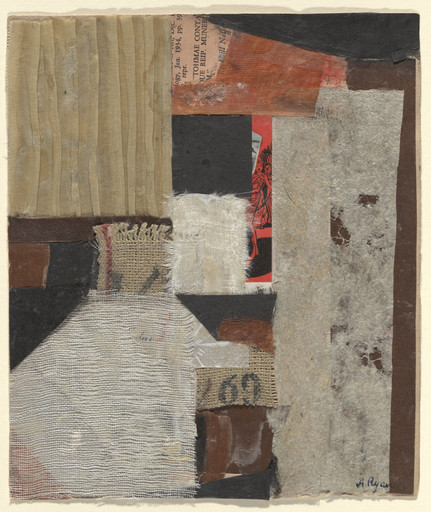
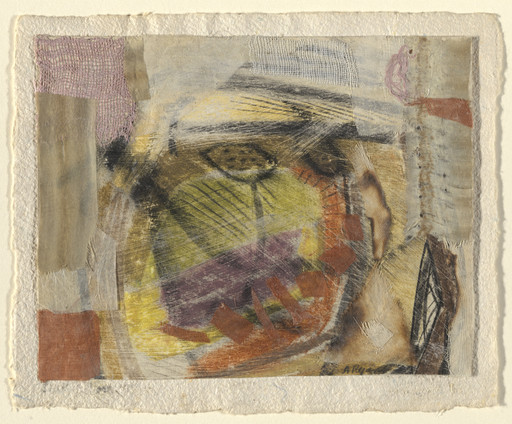
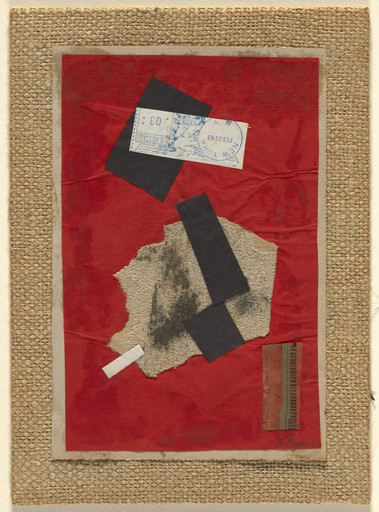
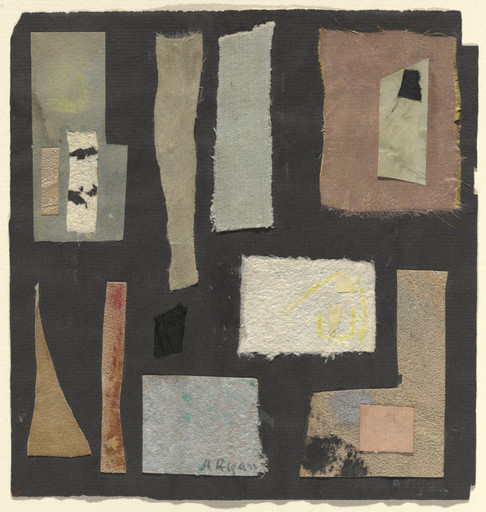
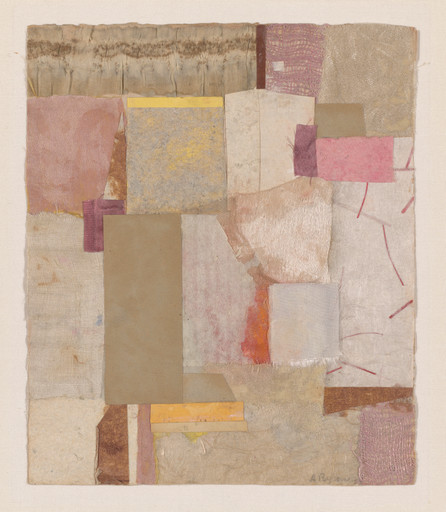
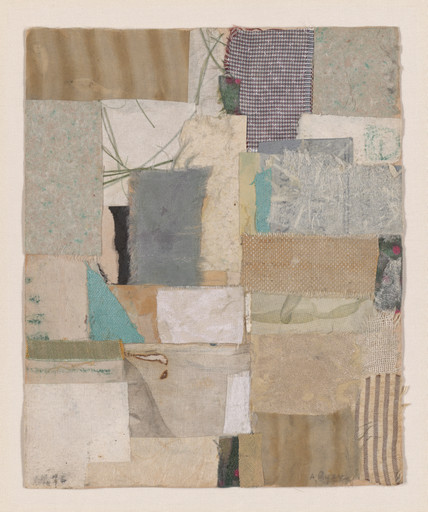
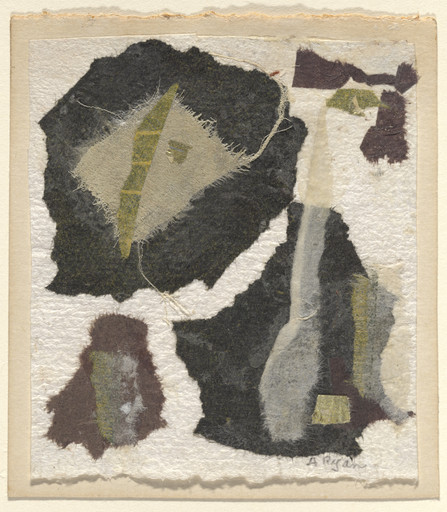
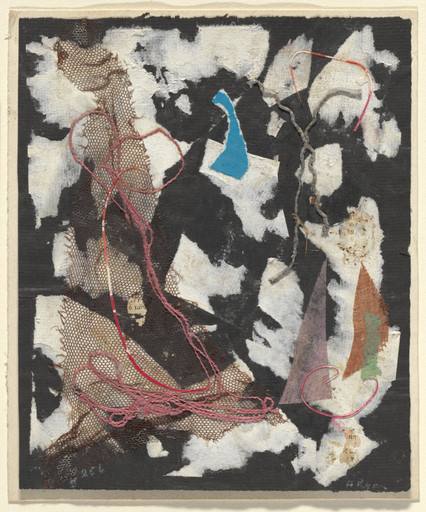
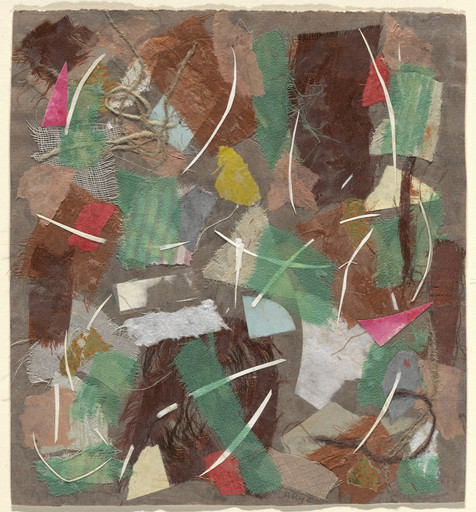
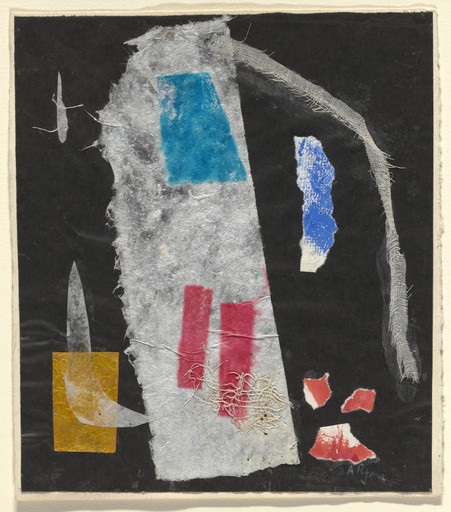
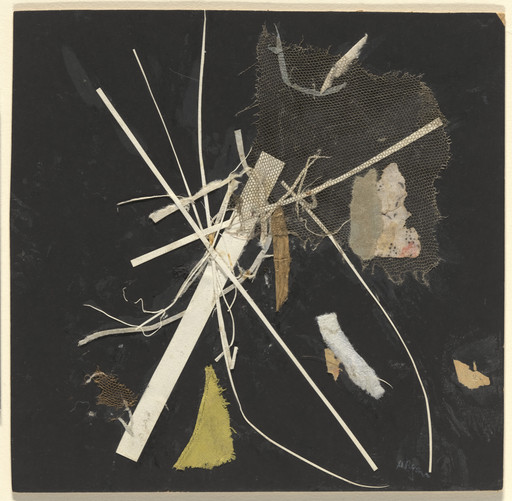
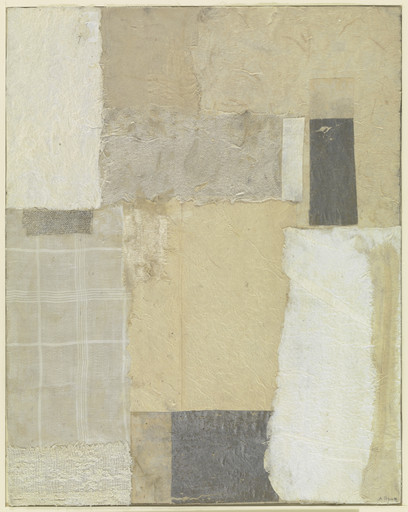
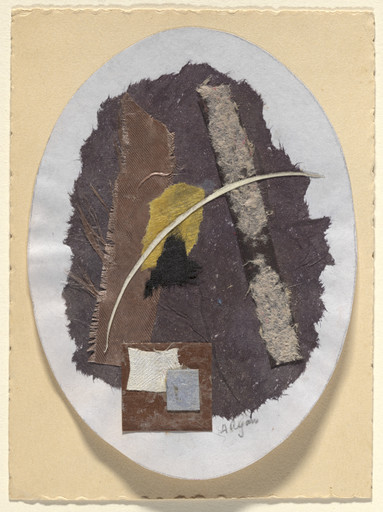
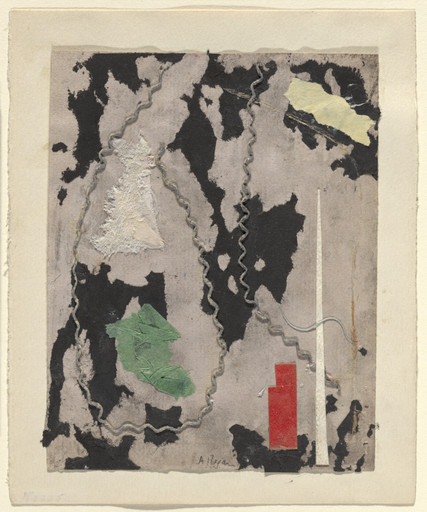
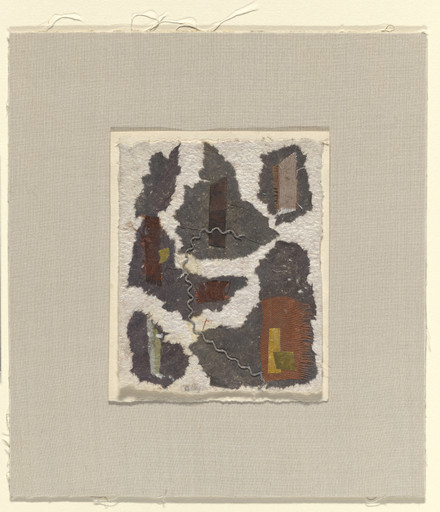
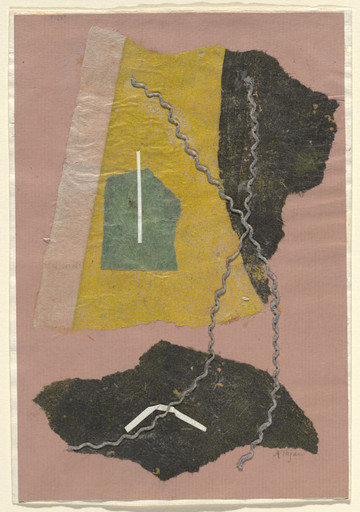
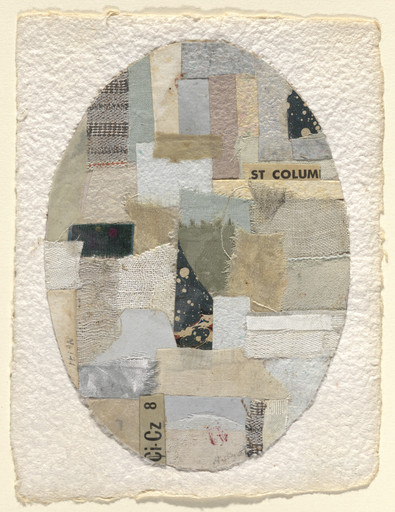
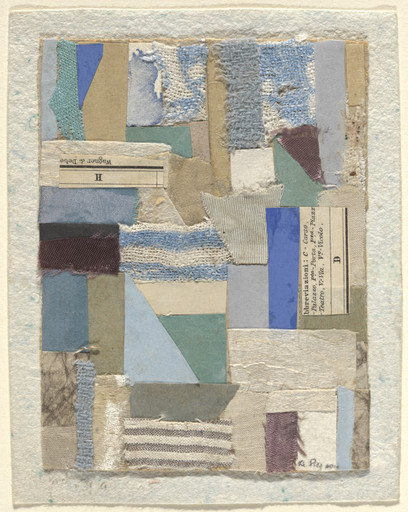
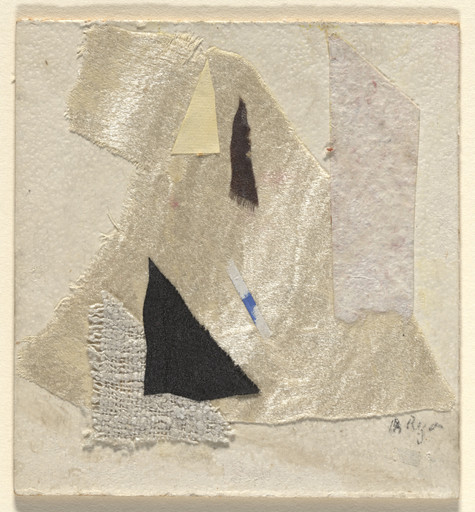
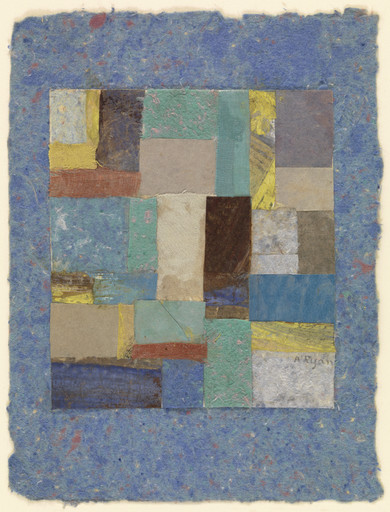
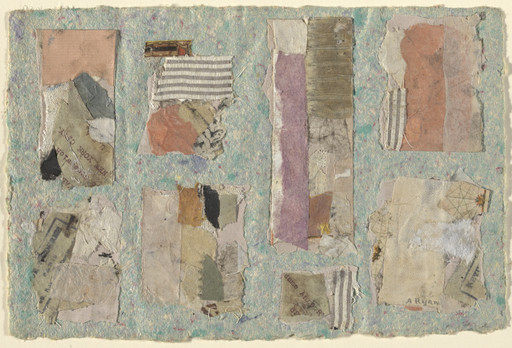
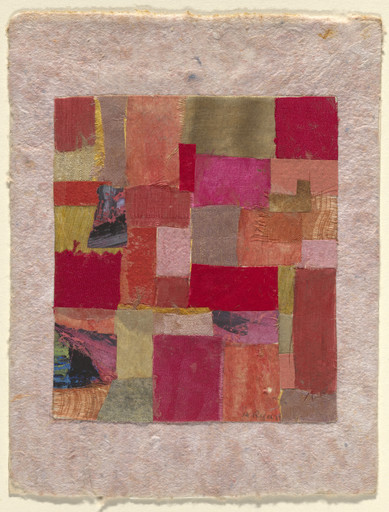
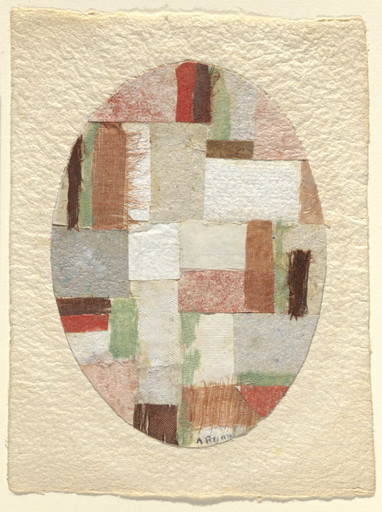
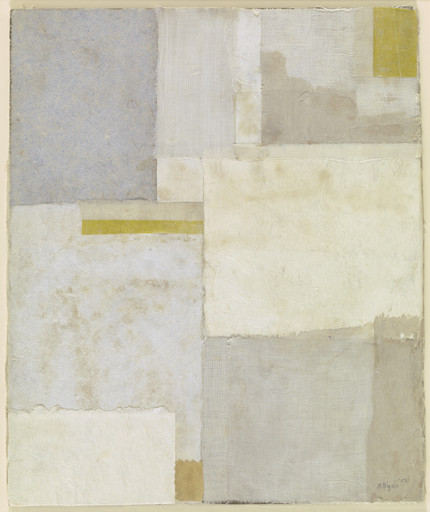
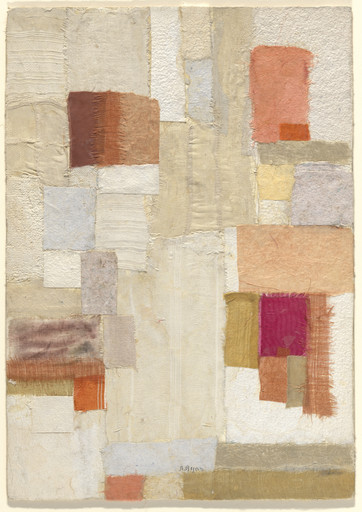
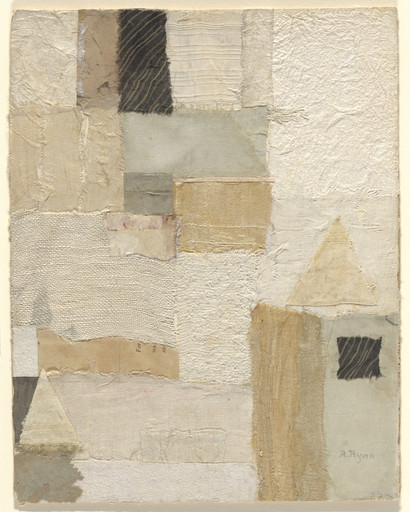
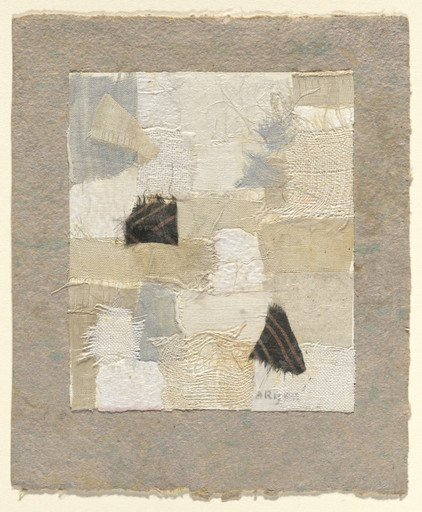
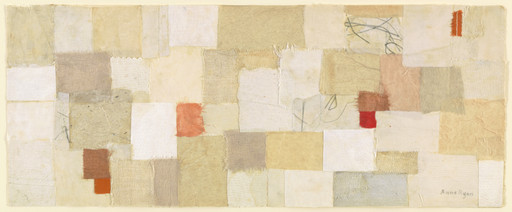
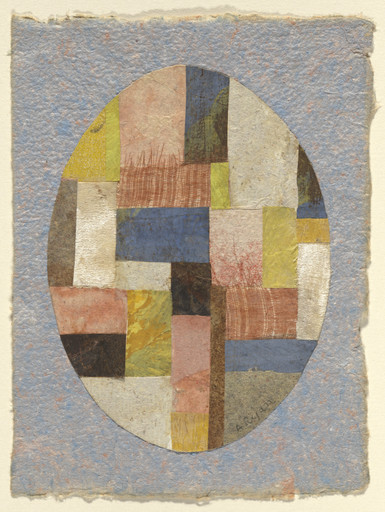
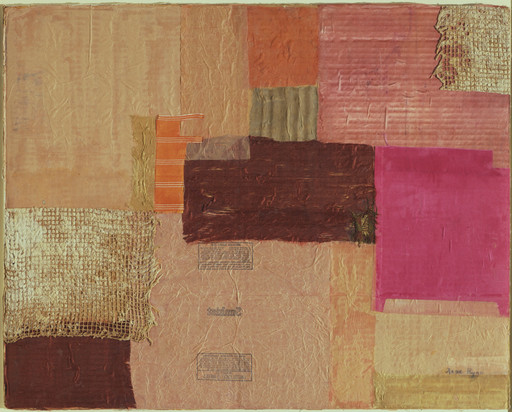
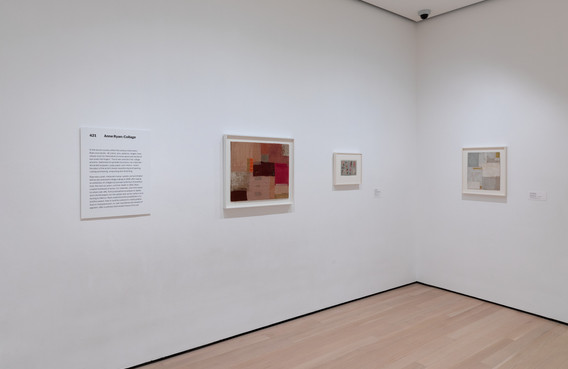
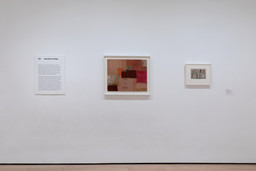
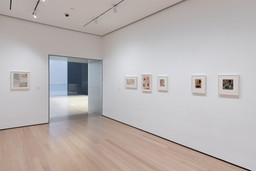
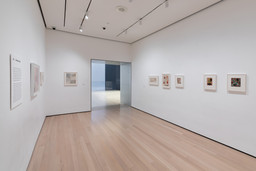
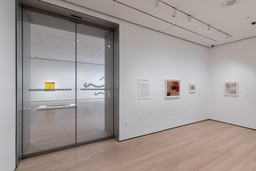
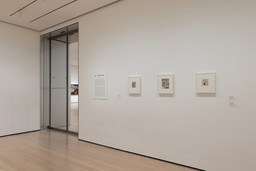
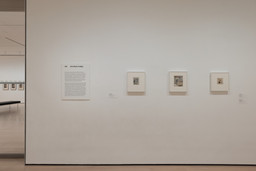
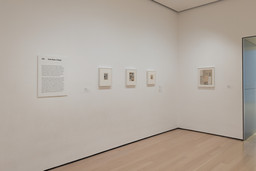
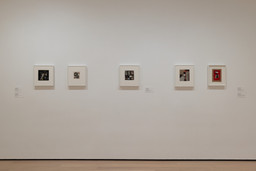
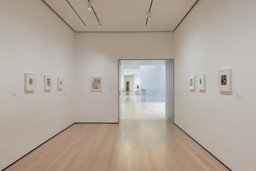
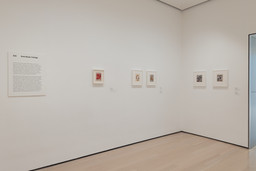
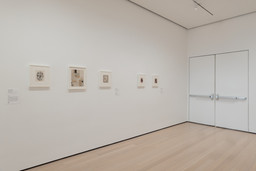
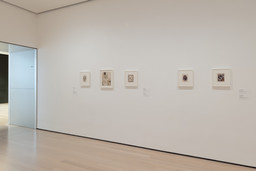
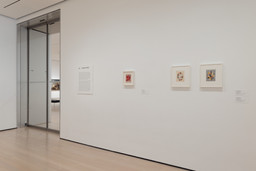
“In the secret country where the solitary mind exists,” Anne Ryan once wrote, “all colors, arcs, patterns, images, have steady room for themselves to move about and resolve at last under the fingers.” Touch was central to her collage practice. Gathered into gridded structures, her materials—discarded wrappers, pulpy paper, worn linens—reveal the labor of the artist’s hands repositioning and layering, cutting and tearing, unspooling and stretching.
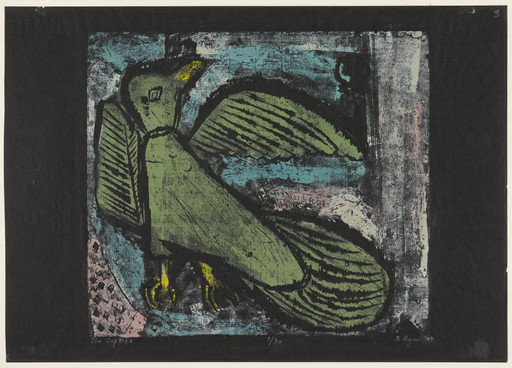
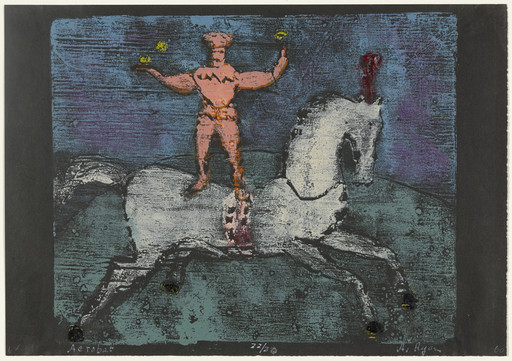
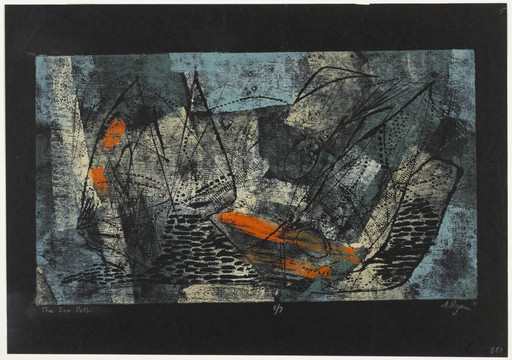
Ryan was a poet, restaurant owner, painter, and printmaker before she embraced collage making in 1948, after seeing an exhibition of collages by German artist Kurt Schwitters. Over the next six years, until her death in 1954, Ryan created hundreds of works. For materials, she first looked to urban castoffs, from postmarked envelopes to labels, and colored papers cut into spikes and curves, before soon turning to fabrics. Ryan understood the possibilities of a textile’s weave: how it could be undone to create graphic lines or transparencies or, over-laundered and drained of pigment, offer a softness that evokes traces of its use.
Organized by Jodi Hauptman, Senior Curator, with Danielle Johnson, former Curatorial Assistant, Department of Drawings and Prints.