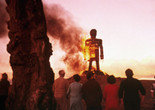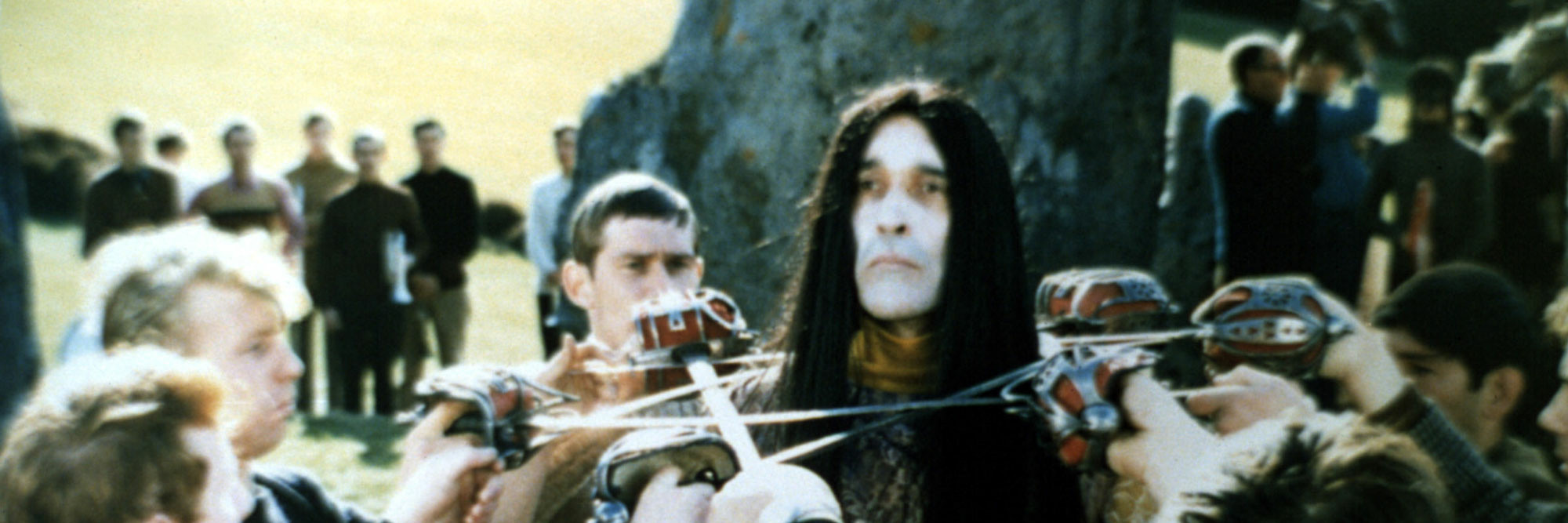
Folk horror is an expansive subgenre, tracing its film foundations to 1970s Britain but universal and international as a storytelling device. Stemming from folkloric traditions in which age-old beliefs, customs, and stories of community are passed on through the generations, folk horror films portray unsettling narratives that both reflect and shape the culture. These stories are often rooted in nature and isolation, imbued with spiritual resonance, and related to powers of darkness: ghost stories, places unfamiliar, and horrors lurking just beneath the surface. Ultimately, folk horror offers us a way to check our communal moral systems by evaluating how we proceed within the world, laying bare the horrors that have been so we can avoid the mistakes of the past. Or else.
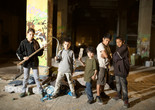
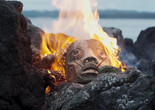
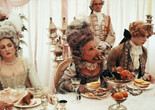
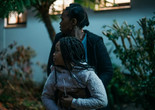
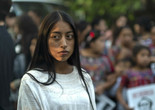
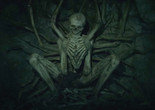
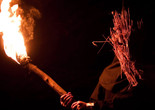
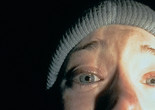
This section of Horror: Messaging the Monstrous offers an international selection of films (from the UK, South Africa, Laos, Mexico, Canada, the US, and Guatemala) to highlight folktales’ universal relevance in horror. With foundational works like Robin Hardy’s The Wicker Man establishing the subgenre, we look to other works steeped in the folk storytelling tradition but represented in ways as various as the lore itself: war crimes in La Llorona, drug cartel violence in Tigers Are Not Afraid, deep-seated racial oppression in Good Madam, curses in I Am Not a Witch and Drag Me to Hell, and the threatening (and threatened) otherness of nature in The Blair Witch Project, The Company of Wolves, and The Wailing.
Organized by Ron Magliozzi, Curator, and Brittany Shaw, Curatorial Assistant, Department of Film, with Caryn Coleman, guest curator.
Film at MoMA is made possible by CHANEL.
Additional support is provided by the Annual Film Fund. Leadership support for the Annual Film Fund is provided by Debra and Leon D. Black and by Steven Tisch, with major contributions from The Contemporary Arts Council of The Museum of Modern Art, Jo Carole and Ronald S. Lauder, MoMA’s Wallis Annenberg Fund for Innovation in Contemporary Art through the Annenberg Foundation, the Association of Independent Commercial Producers (AICP), The Junior Associates of The Museum of Modern Art, the Samuel I. Newhouse Foundation, Karen and Gary Winnick, and The Brown Foundation, Inc., of Houston.