Artist, María Magdalena Campos-Pons: Wifredo Lam is an inspiration. He never forgot his origins.
Collection Specialist, Kunbi Oni: He recognizes the significance of who he is as a Black man practicing art in this particular time.
Curator, Smooth Nzewi: He was an activist, political activist.
Historian, Ada Ferrer: I see him as a visionary. He's someone who is trying to decolonize art.
Curatorial Associate, Damasia Lacroze: Lam weaves together a visual language that is his own.
Ecologist, Leo R. Douglas: He's asking us to see the unbound legacy of African people, stretched out across the diaspora.
Anthropologist, Martin Tsang: His work really does show the beauty of Afro-Cuban religions.
The Artist’s Son, Eskil Lam: My father was global in the true sense of the world.
Artist, Rashid Johnson: Lam is at the heart of what makes an artist who's related to politics successful.
Narrator, Marlin Ramos: Welcome to Wifredo Lam: When I Don’t Sleep, I Dream. My name is Marlin Ramos, and I’m an educator here at MoMA. I’ll be your guide throughout this exhibition, along with some of the voices you just heard from—artists, writers, historians, and even the artist’s son.
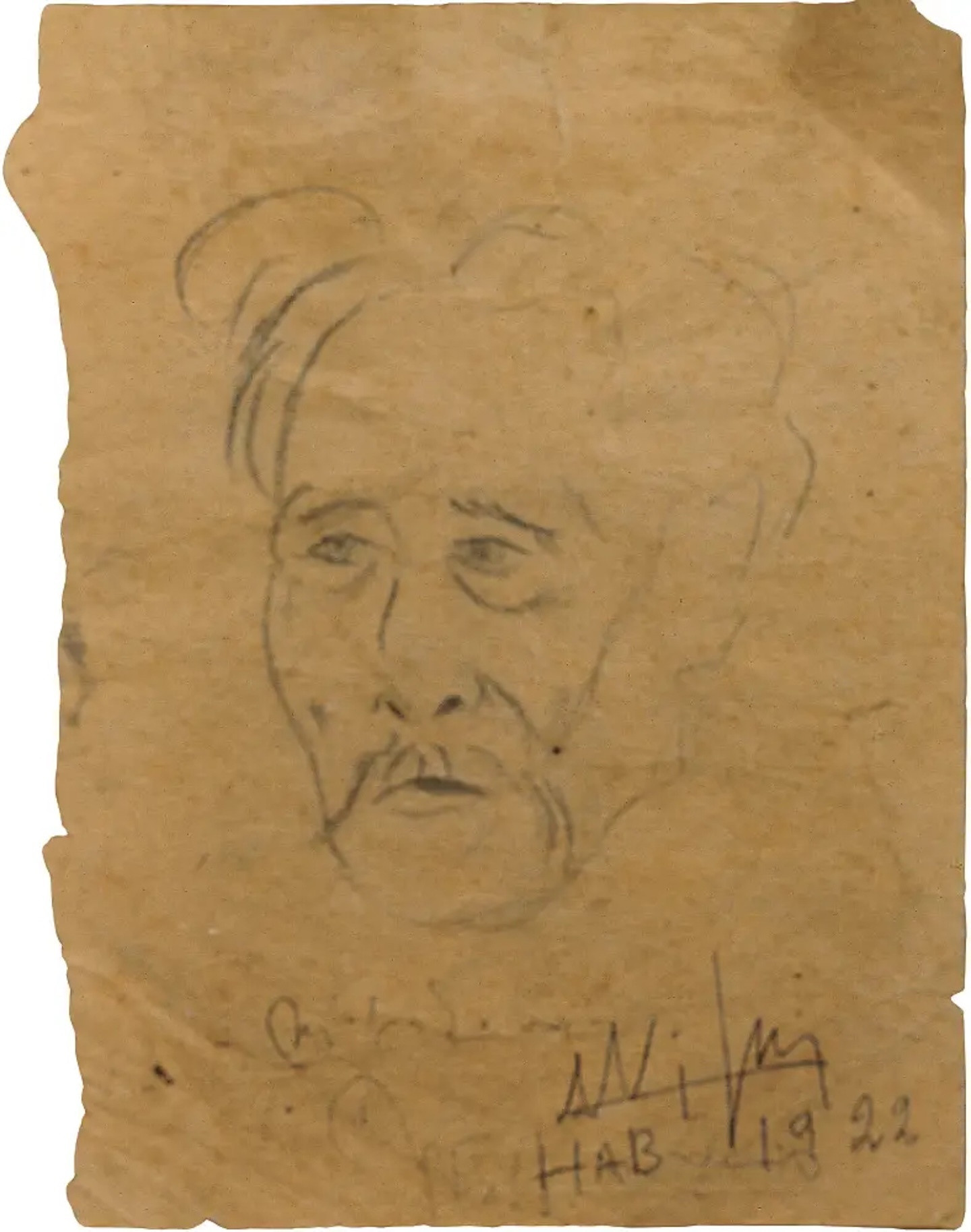
Wifredo Lam's story begins in Sagua la Grande, a small city known for producing sugar. In this portrait, he depicts his father, Lam Yam, who was born in the Guangzhou region of China. Lam’s mother was of Congolese and Spanish descent. His heritage is something he will continue exploring for the rest of his life.