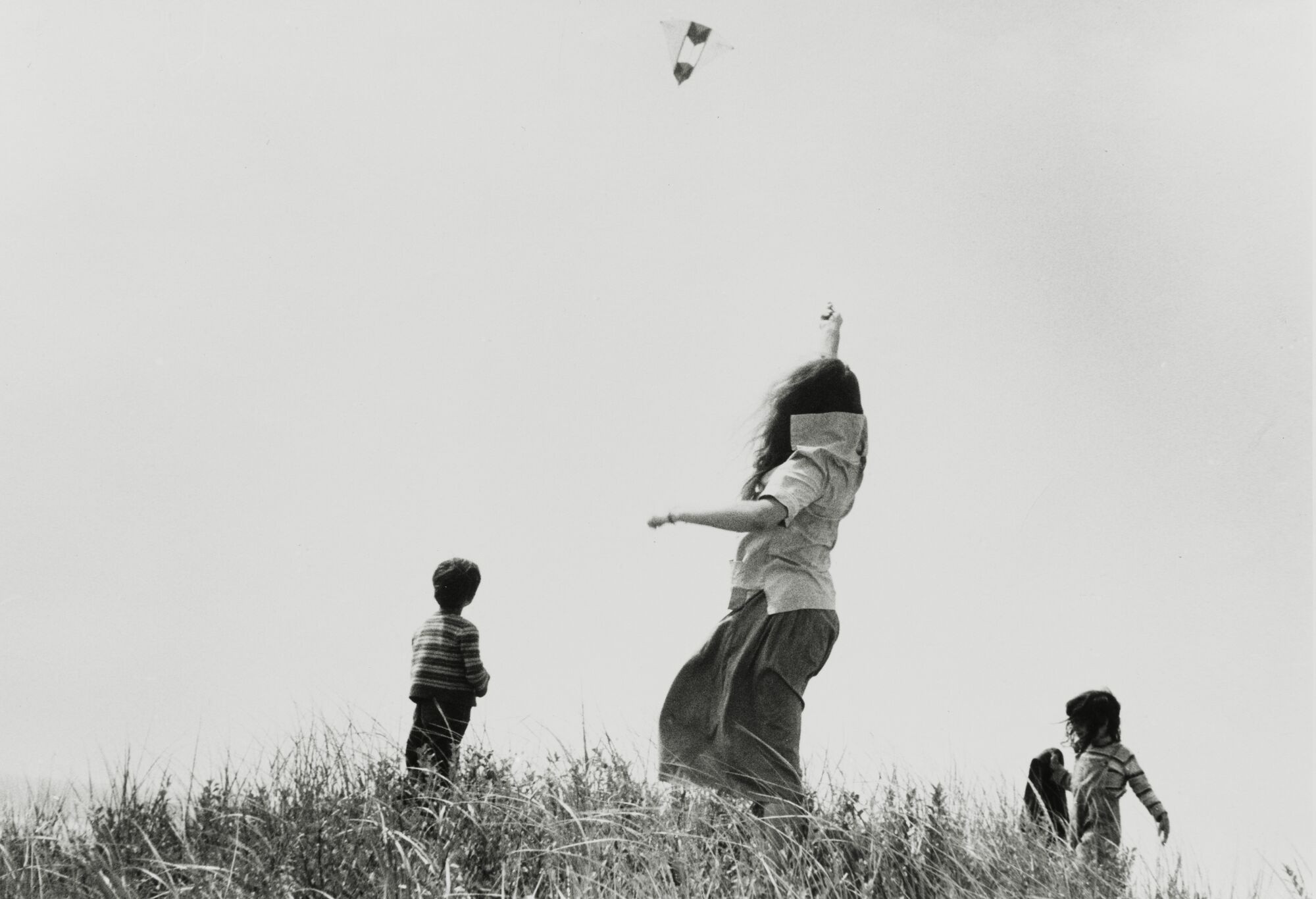
Edward Grazda: Robert once said that's the hardest thing about photography is actually pushing the shutter.
Ed Lachman: He didn't intellectualize what he did. He even said, you know, it's about instinct and thought comes later.
Gary Leon Hill: He was an instigator. He was a bit of a troublemaker. He wanted to see signs of life.
Edward Grazda: He was always working on some kind of project, which was not necessarily focused, but it ended up being something.
Tom Jarmusch: He once said, “You make the work, and your work finds its audience.”
Ed Lachman: We would take polaroids of each other. He said to me that what he liked about polaroids was that the accident could happen.
Allen Ginsberg: He'd hold the camera up like that, then look away, and then snap, and then look back—to allow a little bit of chance. And that's maybe the thing that I like most in Robert's work: his willingness to include that.
Sid Kaplan: We did a lot of experimenting. No two techniques were ever the same.
Ayumi Furata: I still can't believe it, I made so many books with him. It just happens, yeah, it's very organic way. Like a tree grows.
Ed Lachman: So to be around Robert, was always an inspiration.
Susan Steinberg: I had never been the editor of a film. But he made me feel very comfortable.
Allen Ginsberg: He let us have our way and our space. I was a little flattered, seeing that this photographer seemed to appreciate our being ourselves rather than trying to fit us into a mold.
Gary Leon Hill: I was with him once and a student asked him, “How should I start making movies?” He says, “Just steal the camera and steal some film and go.”
Brian Graham: Robert always found a way, you know. To see that was important because you can go pretty far before you give up.
Tom Jarmusch: One day I was like, “Robert, what happens if it rains?”
“Yeah, I'm ‘Fearless Frank.’ We shoot anyway.”
Laura Israel: And I remember the very first day he came, I said to him, are we going to want to go back? And he goes, no, we never go back. We only go forward.
Robert Frank: The best way to be is to be curious. Stand up, keep your eyes open. Don't shake. Don't blink.
June Leaf: It's Robert's art. He's a scavenger. I love that.
Sound clips from the Robert Frank Oral History short film series by Laura Israel and Alex Bingham in partnership with the June Leaf and Robert Frank Foundation; Don’t Blink: Robert Frank, directed by Laura Israel, courtesy of Grasshopper Film; and Fire In the East: A Portrait of Robert Frank, directed by Philip and Amy Brookman, courtesy of the Museum of Fine Arts, Houston.