Designer, David Benjamin: Biology of today is very different than biology of a hundred years ago. We're now able to do some amazing things like grow cells on tiny plastic chips, grow cells and subject them to a variety of different chemicals, and monitor their responses. So this gives me an in as a designer because if we're able to use machine learning to understand these complex systems, then maybe we can use them as design tools.
One thing we've started to do is using living organisms to help make stuff that's useful for us as humans. And how do we do this? Of course through mushrooms, or mycelium.
What you can do is take something like the waste of agriculture. You put that together with live mycelium. In about five days, it grows into a solid object with no energy required. It can even happen in the dark. And basically this allows us to get solid objects that are useful to humans that have been grown by a living biological organism.
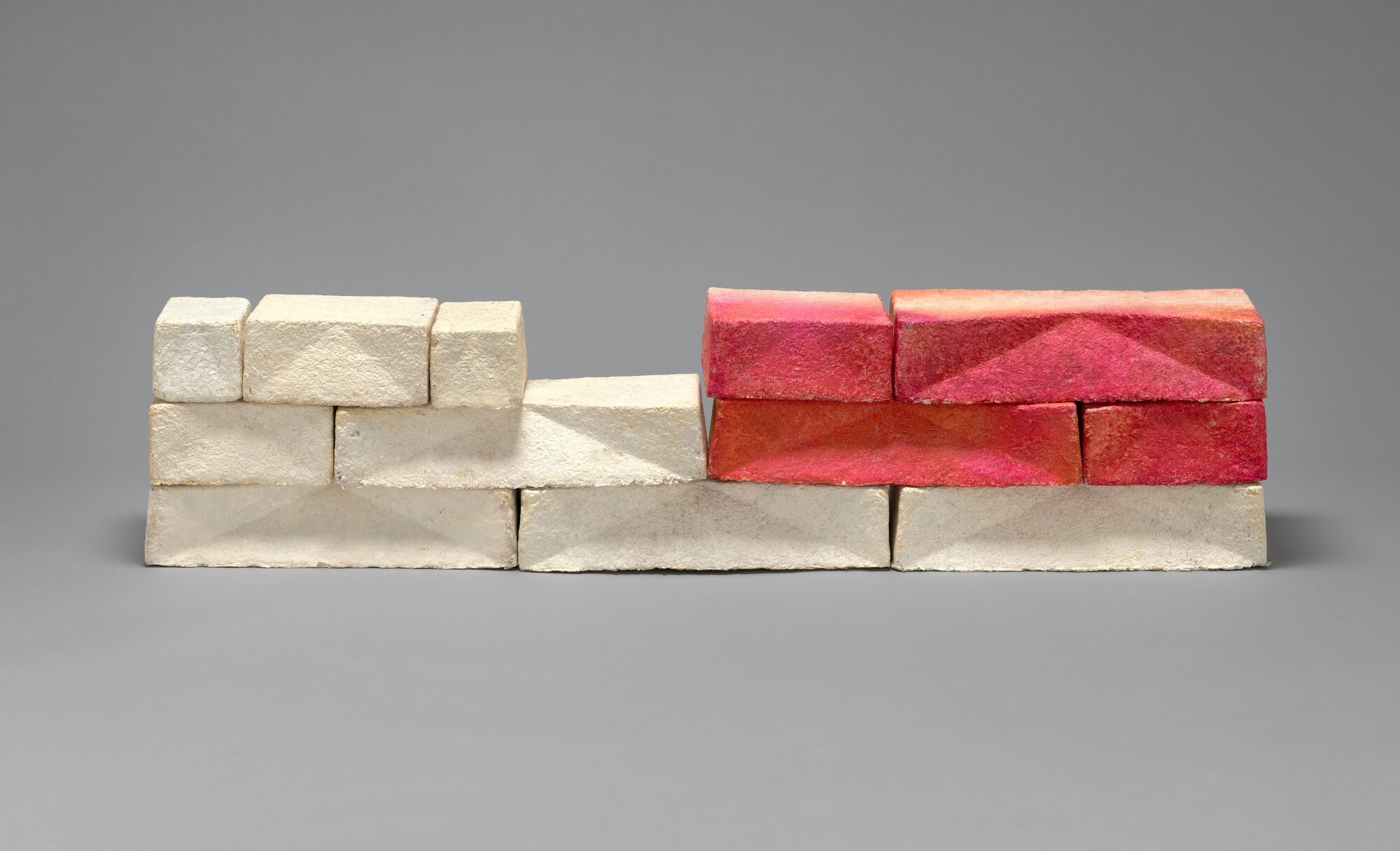
We collaborated very closely with Ecovative and designed bricks. This is a new type of lightweight, low-cost, compostable brick made from mycelium and agricultural waste.
We created 10,000 of these bricks and assembled them into a 41 foot tall structure and basically testing this thing that starts in the lab but testing it out in the world, in the public, in the elements. And seeing if we can create this ecosystem using a living organism, and going from crops, to construction, to compost, and then back to crops again in a healthy cycle.