Cynthia R. Copeland: My name is Cynthia Copeland and I am an educator and a public historian. I am the president of the Institute for the Study of the Exploration of Seneca Village, which was a 19th century African-American community. And it stood on the site of what is today Central Park.
Tourmaline: I asked Cynthia to tell us about Seneca Village and her role in uncovering and preserving its history.
Cynthia R. Copeland: We raised the question, “Wouldn't it be great if we could do an archeological excavation in Central Park?”
We start with maps, with newspaper accounts, family papers, whatever we can find. And in this instance, we relied on church records, finding out who was baptized, who got married, who was buried in these spaces. Those documents gave us an idea of the types of structures that existed on the landscape.
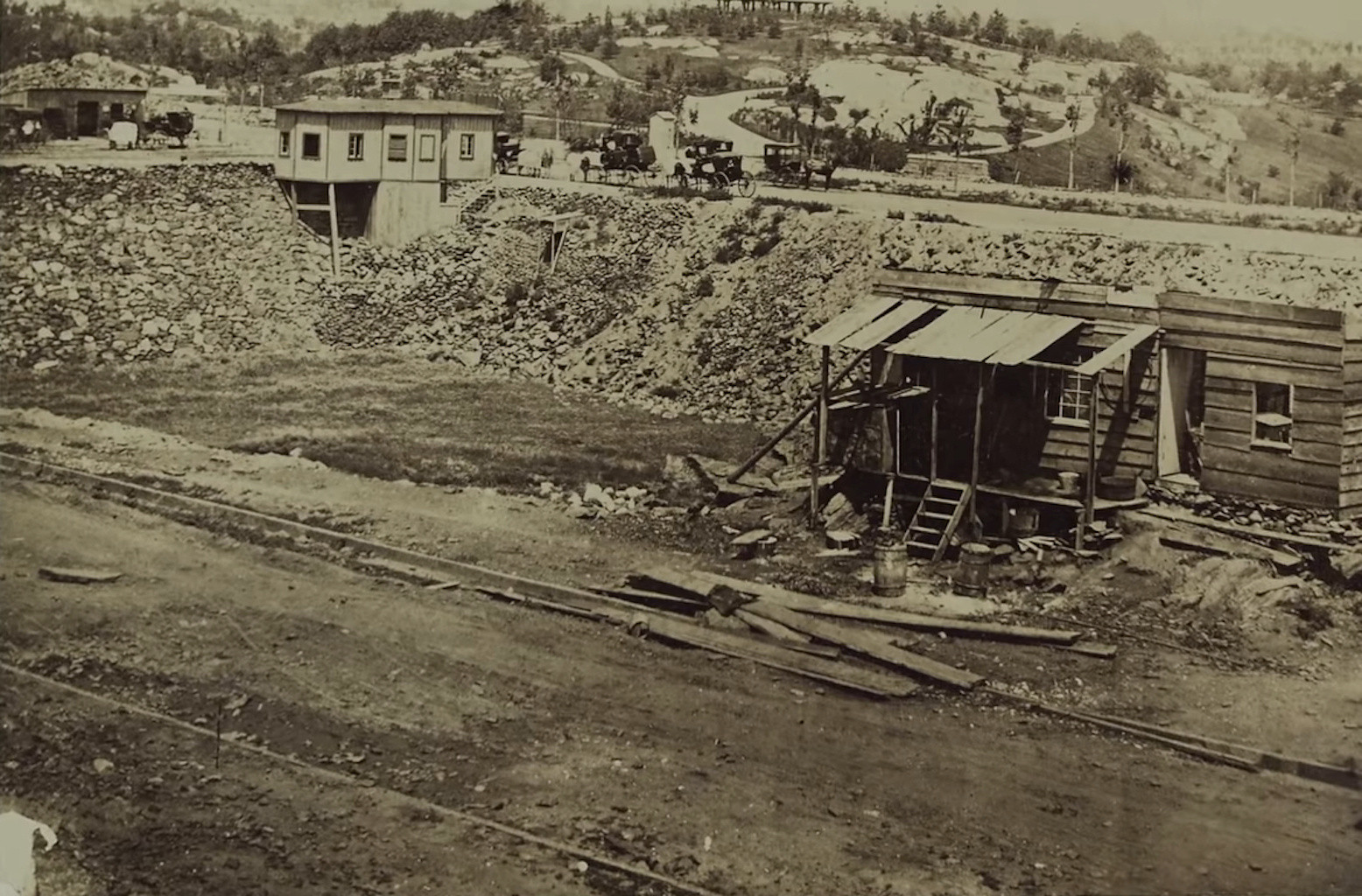
Once upon a time, the people who lived in Seneca Village and in the pre-park expanse were considered tramps, squatters, and thieves that didn't have a right to the land. There was this smear campaign in the newspapers to say that these people lived in shanties and shacks.
And all the research that we uncovered told a different story. It showed that the people actually did own the land. They did have rights to be there. We found indication that they were two- and three story-framed houses. Some had barns, some had basements, some had sheds.
We found a slate pencil to suggest that education was really important, that people were literate. We found the handle of a bone toothbrush, which suggests hygiene is very important because not everybody was brushing their teeth back then. We found the sole of a shoe—it's likely the shoe of a young woman or a child—which was so moving. A couple of the students who worked with us, tears just came out of nowhere because it was just so exciting to be able to see that.
Seneca Village was a self-determining community, with loving families and loving relationships. It was a response and a reaction to living life in isolation, living life as de-humanized, living life as, you're just not supposed to be here. Well, these people found a way to be here and these people found a way to make a way out of no way.
You had this great expanse. You could build and you could grow. And it was like a utopia. And so you get that sense that they were free to live the lives that they wanted. It's about freedom.